9th World Social Forum In Belem, Brazil
The 9th World Social Forum (WSF) under the motto “Another World is Possible..” took place in Belem, Brazil throughout January 27-February 1, 2009. Upon the invitation from the World Council of Churches, Satenik Haroutunian, ART Programme Officer Assistant participated in this big social movement, which gathered some 80.000 representatives of civil society organizations from all over the world as well as students and youth leaders from the countries of South America.
Social, political, economical, environmental, cultural and other pressing issues under spotlight of civil society organizations and movements were brought forward during the six-day world wide gathering which laid basis for joint debates, reflections, proposal building and experience exchange for many organizations.
Having contributed to the work of WSF by focusing on financial crisis and ecological issues, the WCC availed a good opportunity for the youth and representative of its member churches to be engaged in the social movement on one hand and ecumenically interact through sharing and experience exchange on the other hand.
This kind of gatherings as a rule exerts its influence not only on the society in general but on the individual basis in particular, which is a crucial factor in the formation of critical and analytical thinking with especially young people.
Social, political, economical, environmental, cultural and other pressing issues under spotlight of civil society organizations and movements were brought forward during the six-day world wide gathering which laid basis for joint debates, reflections, proposal building and experience exchange for many organizations.
Having contributed to the work of WSF by focusing on financial crisis and ecological issues, the WCC availed a good opportunity for the youth and representative of its member churches to be engaged in the social movement on one hand and ecumenically interact through sharing and experience exchange on the other hand.
This kind of gatherings as a rule exerts its influence not only on the society in general but on the individual basis in particular, which is a crucial factor in the formation of critical and analytical thinking with especially young people.
Ընթերցեք նաև
11
Հնս
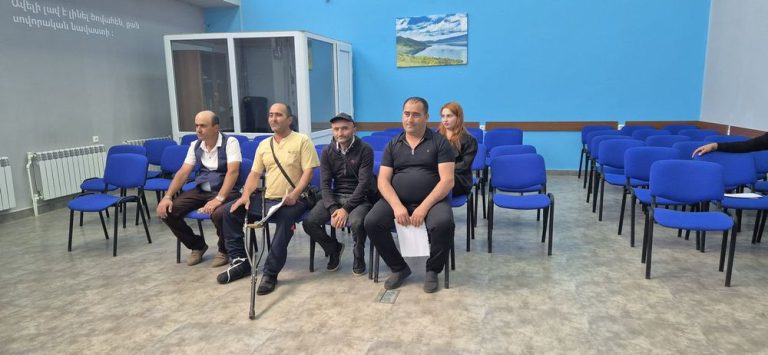
Սևանում կյանքի կկոչվի 19 նոր բիզնես գաղափար
Հունիսի 10-ին Սևան քաղաքում տեղի ունեցավ բիզնես գաղափարների ընտրության գործընթացը։ ԵՀԽ հայաստանյան Կլոր սեղան հիմնադրամի թիմից և դասընթացավար Շուշանիկ Դանիելյանից կազմված հանձնաժողովն…
Կարդալ ավելին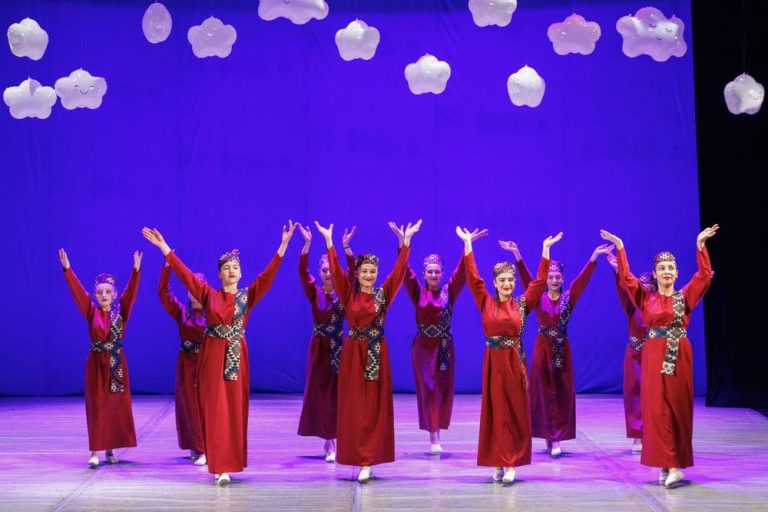
04
Հնս
Գեղարքունիքի երեխաները մասնակցեցին Պարի փառատոնին
Երեխաների իրավունքների պաշտպանության միջազգային օրվա կապակցությամբ Գեղարքունիքի մարզի վեց համայնքի շուրջ 240 երեխա մասնակցեց Երևանի Պատանի հանդիսատեսի թատրոնում «Կամուրջ» մշակութային կենտրոնի նախաձեռնությամբ…
Կարդալ ավելին
02
Հնս