Communique from the members of the Ecumenical Diakonia Reference Group of the World Council of Churches
This communique is issued by the members of the Ecumenical Diakonia Reference Group of the World Council of Churches (WCC), which met from 30 September to 02 October 2024, in Yerevan, Armenia, under the leadership of the Co-Chairs, Ms Rebecca Teiko Sabah and Rev Pauliina Parhiala. The WCC Armenia Round Table (ART) Foundation hosted the meeting.
The Ecumenical Diakonia Reference Group of the WCC was established by the WCC executive committee following the recommendation from the Ecumenical Conversation on Ecumenical Diakonia organised by WCC and ACT Alliance and the affirmation from the 11th Assembly in Karlsruhe in 2022 that ecumenical diakonia is a critical expression towards the unity of the church, unity of all people, and integrity of all creation.
We, as the Reference Group, are mandated to work with member churches and partners to make evident and promote the centrality of diakonia in our Christian faith to help make the Good News of Christ a reality for all. We are also mandated to delve into new concepts and ways of doing diakonia in the context of accelerating climate change and growing conflicts that are inflicting tremendous human suffering. We are tasked to encourage WCC member churches and others to engage with and promote the recommendations of the document, “Called to Transformation – Ecumenical Diakonia”. We will also promote, foster, and keep track of the partnership and ecumenical collaboration on diakonia between WCC, ACT Alliance, regional and national ecumenical organisations, and member churches.
Respecting the context where we met and as a key expression of unity with the Church in Armenia, unity of all people, and integrity of all creation, the Reference Group remembered with pain and sadness the mass displacement of more than 115,000 ethnic Armenians from Nagorno-Karabakh which took place a year ago, on September 19 as a result of a military attack by Azerbaijan. We convey deep solidarity with the Armenian people and churches and invite all WCC member churches to pray for the victims of forced displacement, violence, abuse and injustice. We call on the ecumenical family to support the Armenian Apostolic Church and accompany affected people through her ministry and work and call the international community to urge the Government of Azerbaijan to guarantee security and autonomy and preserve the identity of ethnic Armenians for them to return to their homes in Nagorno-Karabakh. Ecumenical diakonia can bring hope and contribute to transforming the world which envisages justice, peace and integrity of creation.
In our gathering, we discerned and probed the current global context, challenges and possibilities and their implications for diaconal work. We visited local diaconal projects led by the ART Foundation that are responding to the economic, health, social and environmental concerns of communities in a holistic manner.
We addressed challenging issues such as decolonisation and power dynamics in diakonia, including relationships, gender and the importance of challenging the power discrepancies in church and society. We reflected on our collective efforts to deepen our understanding of eco-diakonia and the role of inclusive social action of the churches amid the climate crisis and climate-induced migration.
We also exchanged good practices in diaconal cooperation including good governance and peer review mechanisms.
Through our discussions, it became evident that only through an understanding of systems and by an intentional and mutually accountable collaboration can churches and specialised ministries address the aforementioned critical topics, help to secure human rights and access to social services for those left behind, and maintain the relevance of the church and the ecumenical movement.
Therefore, the Reference Group agreed on three work streams focusing on the following priorities:
• Climate justice and diakonia;
• Diaconal collaboration, decolonisation, and power; and
• Capacity sharing, diaconal formation, and good practices.
We identified co-convenors for the three working groups who will join the leadership of the Reference Group in the form of the steering committee to ensure the delivery of the work plan that the working groups will develop by December 2024. Each working group of the reference group supported by the WCC secretariat, will work to promote, develop, and share resources and tools for enhancing capacity, partnerships, and collaboration across the programmes of WCC, ecumenical partners, and member churches.
We invite the ACT Alliance, gathering for their General Assembly in Yogyakarta, Indonesia from 28 October to 01 November 2024, to work with us on the diaconal priorities of climate justice, decolonisation and capacity sharing.
Witnessing and serving are crucial for the church: mission, diakonia, and ecumenism belong together and are central to what it means to be a church. We are committed to working with our churches and communities to nurture the strengthening of structures of shared actions and networks of collaboration and partnership.
We call on churches and communities to invest in long-term thinking and relationships to establish sustainable, resilient communities that mobilise their God-given agency, hold hands, and accompany others in our common “Pilgrimage of Justice, Reconciliation, and Unity.”
Ընթերցեք նաև
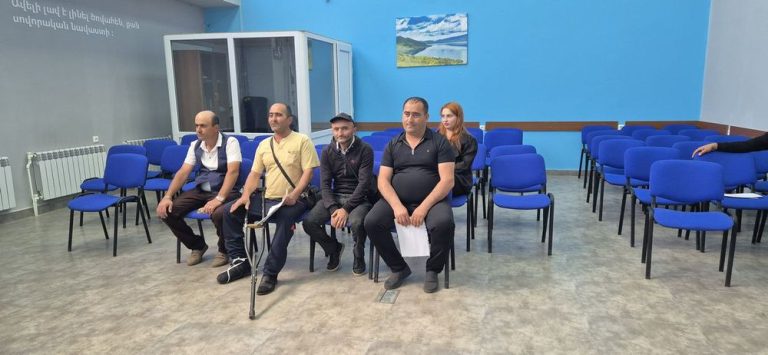
19 business ideas to be implemented in Sevan, Armenia
On June 10, the business idea selection process took place in the town of Sevan. The selection committee, comprised of the staff…
Read more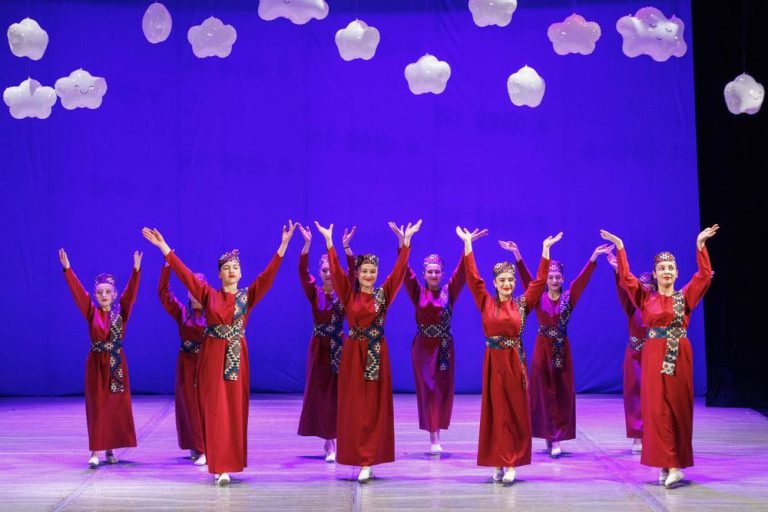
Gegharkunik children participation in Dance Festival
In commemoration of International Children’s Rights Protection Day, approximately 240 children from six communities in Gegharkunik Province participated in the Dance Festival…
Read more