Availing Opportunities For Deaf And Mute People
"She became second mother for my child, she is not only educating but also rearing my little queen," said a mother about gesture language teacher of her five year old deaf and mute girl.
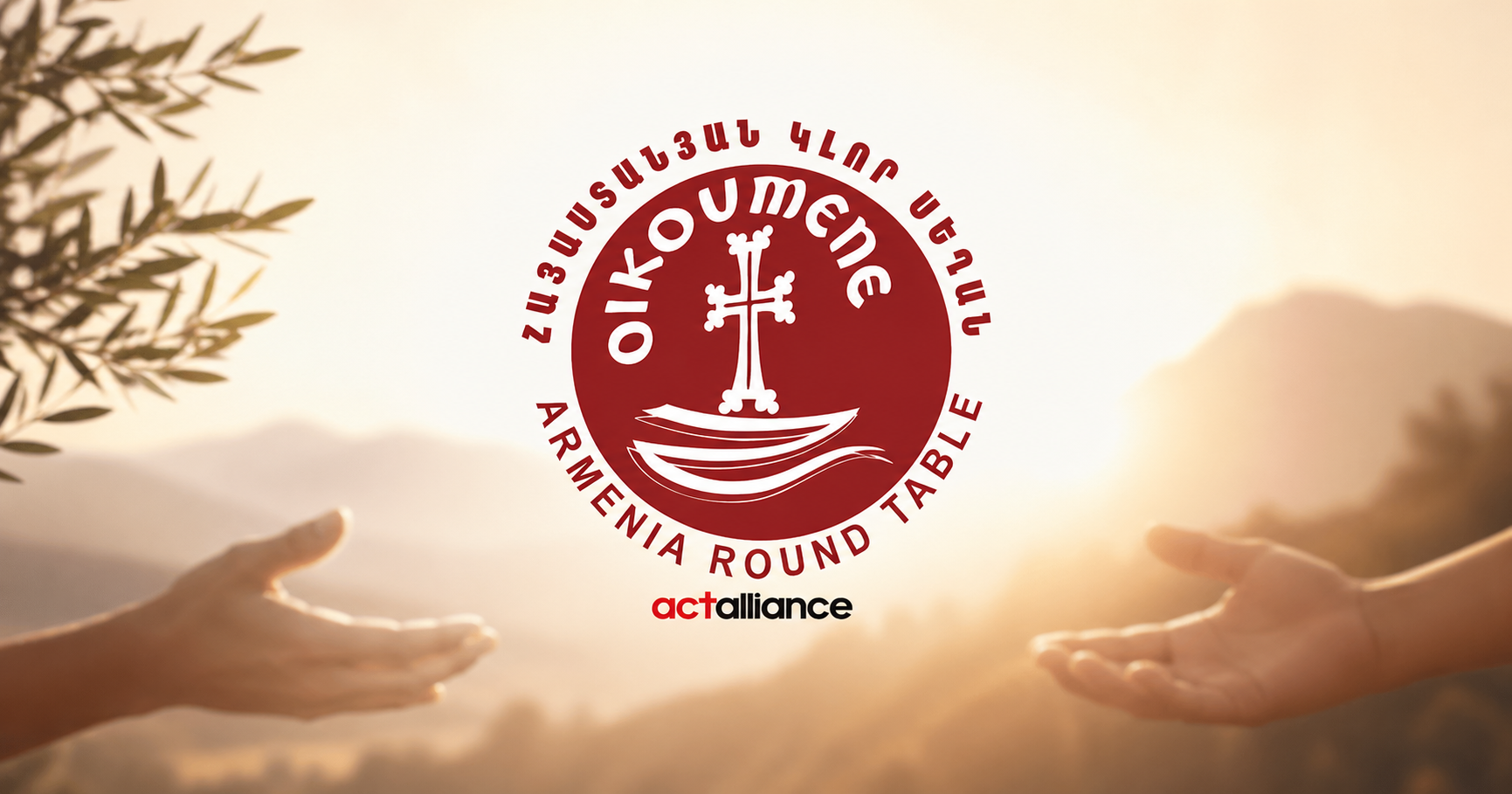
A presentation of activities carried out within "Availing opportunities for deaf and mute people" project took place at the International Day of Deaf and Mute People on October 1, 2007 at the Primacy in Vanadzor.
About 30 deaf and mute people and members of their families came to share their experiences of being involved in the project. For many of them it was obviously their first introduction and presentation.
His Grace Bishop Sepuh Chuljian, Primate of Gugark Diocese welcomed those present and said that he was happy to host deaf and mute people in the Primacy and work with them. Participants of different study groups were introducing activities they were engaged in and shared their feelings and experiences. "We are able to work, to dress hair, bake bread, make dresses, do housework and we would like to make friends not only with deaf and mute people, but with those who can listen and speak," says 20 years old Andranik, who was happy with a chance to improve gesture language and make new friends.
The project supports language teaching to 30 deaf and mute people of different ages and thus improves socialization and communication of deaf and mute with their family members and the society at large.
The deaf and mute community of Vanadzor does not have regular classes on gesture as there is no systematic teaching or a specialized school in the city. The Diocese having discussed with deaf and mute people their needs and preferences, applied to Armenia Round Table with a request to support "Availing opportunities for deaf and mute people" project, the aim of which is to contribute to stabilization of situation of deaf and mute people through social and educational activities. The project provided support to gesture language and vocational training, e.g. hair dressing, cookery and design for young people, who through these courses hope to improve their employment and better their living. Different social and cultural events are planned and will be carried out by the Diocese. Members of youth union of the Diocese voluntarily contribute to project activities. Apart from daily course activities, local clergy are regularly meeting deaf and mute people and discuss with them issues of their interest.
The presentation followed by an exhibition of works produced by the deaf and mute. People were exited with an opportunity to introduce their pieces and achievements. The project activities will be supported for one year, after the pilot phase results and lessons learnt will be summarized, based on the experiences of the present project further plans made.
Ընթերցեք նաև
Սևանում կյանքի կկոչվի 19 նոր բիզնես գաղափար
Հունիսի 10-ին Սևան քաղաքում տեղի ունեցավ բիզնես գաղափարների ընտրության գործընթացը։ ԵՀԽ հայաստանյան Կլոր սեղան հիմնադրամի թիմից և դասընթացավար Շուշանիկ Դանիելյանից կազմված հանձնաժողովն…
Կարդալ ավելին
Գեղարքունիքի երեխաները մասնակցեցին Պարի փառատոնին
Երեխաների իրավունքների պաշտպանության միջազգային օրվա կապակցությամբ Գեղարքունիքի մարզի վեց համայնքի շուրջ 240 երեխա մասնակցեց Երևանի Պատանի հանդիսատեսի թատրոնում «Կամուրջ» մշակութային կենտրոնի նախաձեռնությամբ…
Կարդալ ավելին