A New Approach To Saline Land Cultivation
Within the framework of “Practical implementation of the complex methodology (non-chemical, organic) for rehabilitation of saline-alkaline lands of Ararat valley, Republic of Armenia” project a booklet was published under the name “A new approach to saline land cultivation”. This book in fact makes an effort to apply the ideas of natural agriculture to the rehabilitation of saline and degraded lands. The issues of land salinization and deterioration raised in the booklet are very pressing for the modern Armenian agriculture and have always been in the focus of ART’s Integrated Community Development programme. The publication builds on the ideas expressed in another book, published five years ago and aims at helping those who face the problems of salinization to study the issue and apply biological methods of desalination and land development to gradually start using saline lands and increase fertility, The book consists of three parts. Part one gives a definition of saline lands on the basis of new approaches. Part two gives a historical overview of agriculture in Armenia during recent 20 years and part three presents application of natural agricultural approaches and methods to saline and deteriorated lands. The booklet is developed by “ECO-99” NGO that has more than 10 years of experience in the field of agricultural consultation. Practical information presented in the book sources in particular from the above-mentioned project that was implemented by “Eco-99” NGO through GEF UNDP Small Grants programme and ART financial support. The project goal was to start activities on nature friendly and ecologically safe complex methods of rehabilitation of saline lands in Ararat valley in Armenia with the help of theoretical and practical undertakings. Among the noteworthy activities of the project is planting of 1200 poplars and other trees in ECO-99 demo farm in Armavir region that is the first attempt in Armenia to establish a 1 ha shelter-belt industrial forest. Besides a series of trainings and on-job trainings were held with the participation of more than 100 farmers and 60 schoolchildren to disseminate the SLM practices among farmers and the youth. An important aspect is that the publication was made available to all the training participants and other interested parties disseminating the project experience and ensuring sustainability of the trainees’ knowledge.

Ընթերցեք նաև
11
Հնս
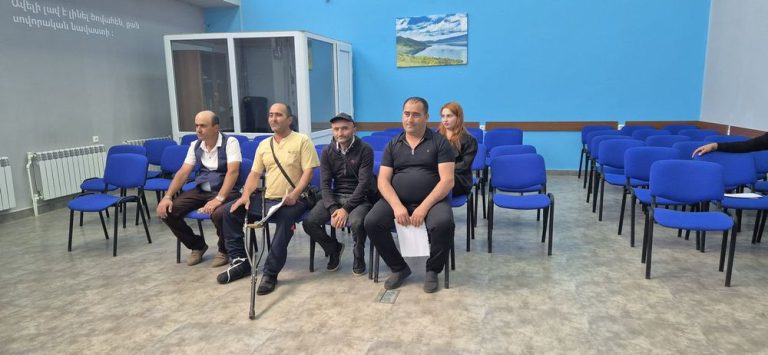
Սևանում կյանքի կկոչվի 19 նոր բիզնես գաղափար
Հունիսի 10-ին Սևան քաղաքում տեղի ունեցավ բիզնես գաղափարների ընտրության գործընթացը։ ԵՀԽ հայաստանյան Կլոր սեղան հիմնադրամի թիմից և դասընթացավար Շուշանիկ Դանիելյանից կազմված հանձնաժողովն…
Կարդալ ավելին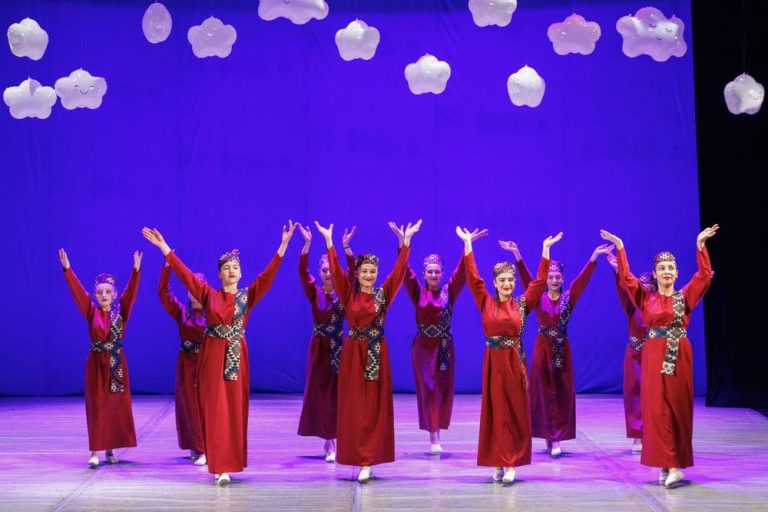
04
Հնս
Գեղարքունիքի երեխաները մասնակցեցին Պարի փառատոնին
Երեխաների իրավունքների պաշտպանության միջազգային օրվա կապակցությամբ Գեղարքունիքի մարզի վեց համայնքի շուրջ 240 երեխա մասնակցեց Երևանի Պատանի հանդիսատեսի թատրոնում «Կամուրջ» մշակութային կենտրոնի նախաձեռնությամբ…
Կարդալ ավելին
02
Հնս