
Seminar on psychological aspects of GBV prevention activities with teenagers


ART regularly organizes trainings and seminars on the gender issues and methods of awareness-raising and educational actions for prevention of violence. The current seminar was organized as a follow-up meeting for a three-day training implemented in the beginning of a new round of action plan for such activities. Based on the requests of the participants, the topic for this seminar was chosen to be the psychological aspects of work with youth. The sub-topics devised included: the development models – psychosocial and psychosexual; psychological basics of occurrence of violence; identification, family, social environment and historical-cultural roots of violence, gender identities, gender roles and scenarios of behavior. Time was allocated also for discussion of particularly difficult cases in the practice of the priests.
As expected and planned, the expert, who was invited based on his experience in working with domestic violence cases, followed the flow of discussion. Firstly collecting their expectations and the questions that would be most urgent and interesting for them, he started with presentation of typical psychological mechanisms of social adaptation attributive to different age ranges. Roots of violence were presented and illustrated with cases that the psychologist and the seminar participants have come across. In the Q&A section, the issues they focused on was the first response to people who approach them with difficult life situations, as well as whether they should pursue communication first or on the request of other people. The main point underlined by the psychologist throughout the seminar was that there are no common recipes and the key is the individual approach to each case and the effectiveness of mediation depends on the success of the person-to-person communication.
Ընթերցեք նաև
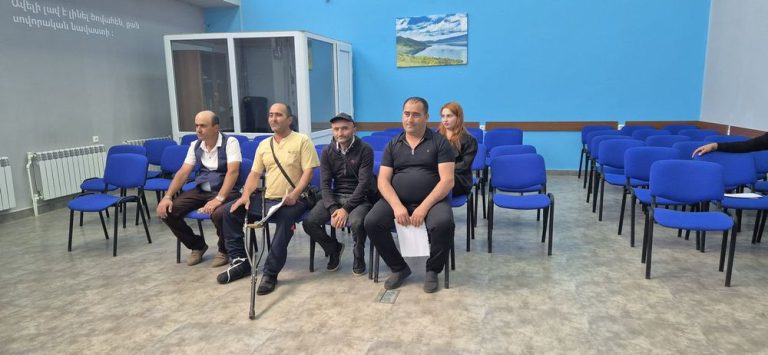
Սևանում կյանքի կկոչվի 19 նոր բիզնես գաղափար
Հունիսի 10-ին Սևան քաղաքում տեղի ունեցավ բիզնես գաղափարների ընտրության գործընթացը։ ԵՀԽ հայաստանյան Կլոր սեղան հիմնադրամի թիմից և դասընթացավար Շուշանիկ Դանիելյանից կազմված հանձնաժողովն…
Կարդալ ավելին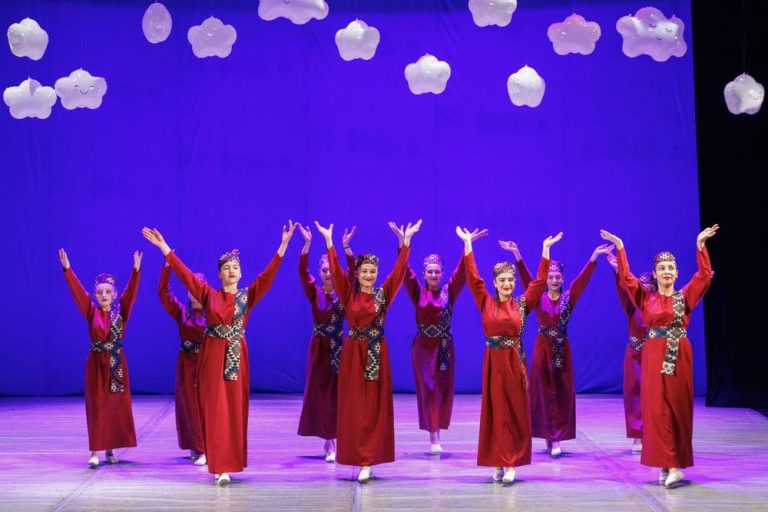
Գեղարքունիքի երեխաները մասնակցեցին Պարի փառատոնին
Երեխաների իրավունքների պաշտպանության միջազգային օրվա կապակցությամբ Գեղարքունիքի մարզի վեց համայնքի շուրջ 240 երեխա մասնակցեց Երևանի Պատանի հանդիսատեսի թատրոնում «Կամուրջ» մշակութային կենտրոնի նախաձեռնությամբ…
Կարդալ ավելին